
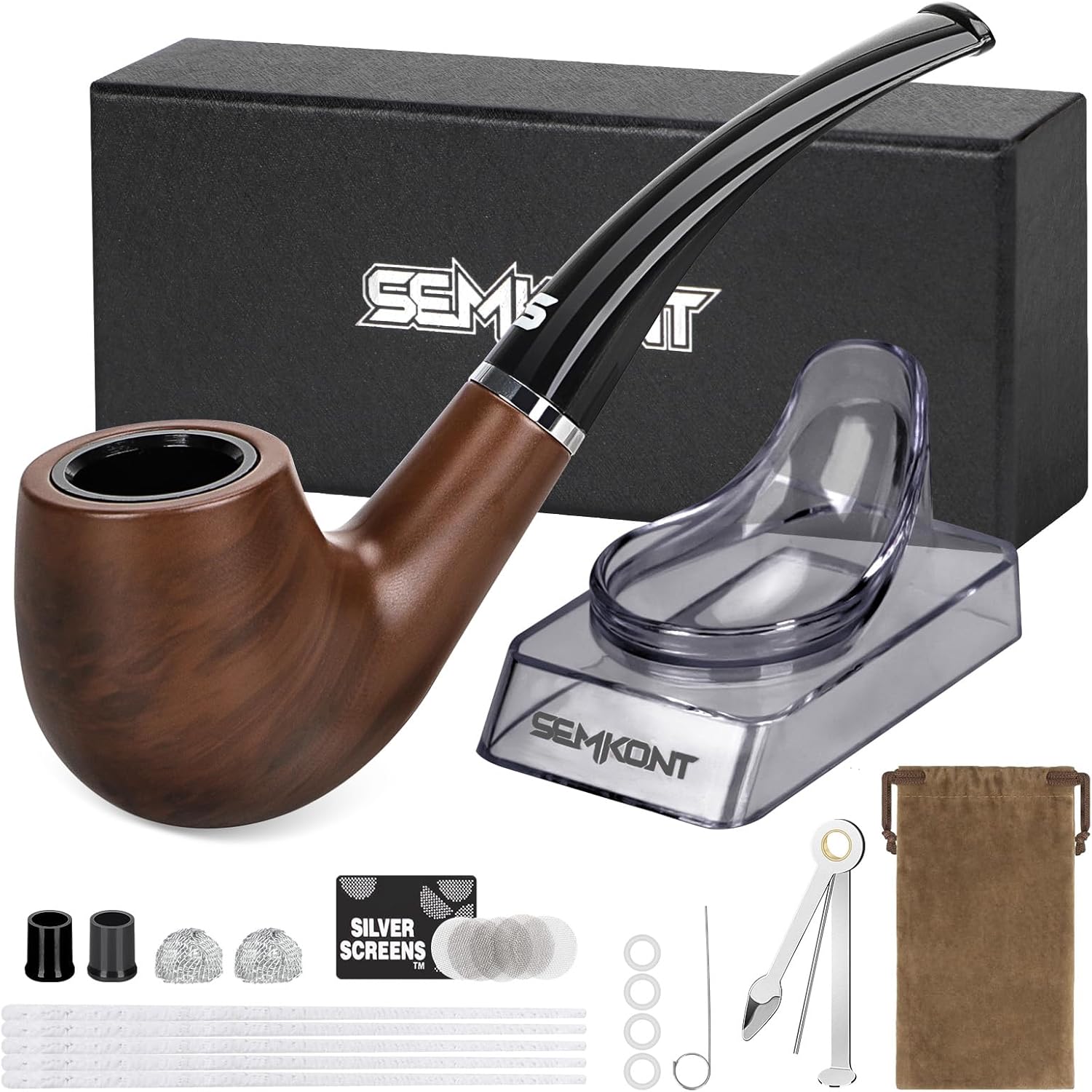
Introduction: Understanding the Tradition of Pipe Smoking
Pipe smoking has long been associated with reflection, craftsmanship, and ritual. Unlike other forms of tobacco use, it emphasizes patience, flavor, and the sensory experience. Although its popularity has fluctuated over the years, pipe smoking continues to attract enthusiasts who appreciate its relaxing nature and artistic culture.
The Historical Roots of Pipe Smoking
To begin with, pipe smoking dates back thousands of years. Indigenous cultures in the Americas used pipes in ceremonies and spiritual practices, while Europeans adopted the habit after the Columbian exchange. Over time, it evolved from a sacred practice to a leisurely pastime enjoyed by scholars, writers, and everyday smokers. This rich history contributes to the pipe’s enduring mystique.
Types of Pipes and Their Unique Characteristics
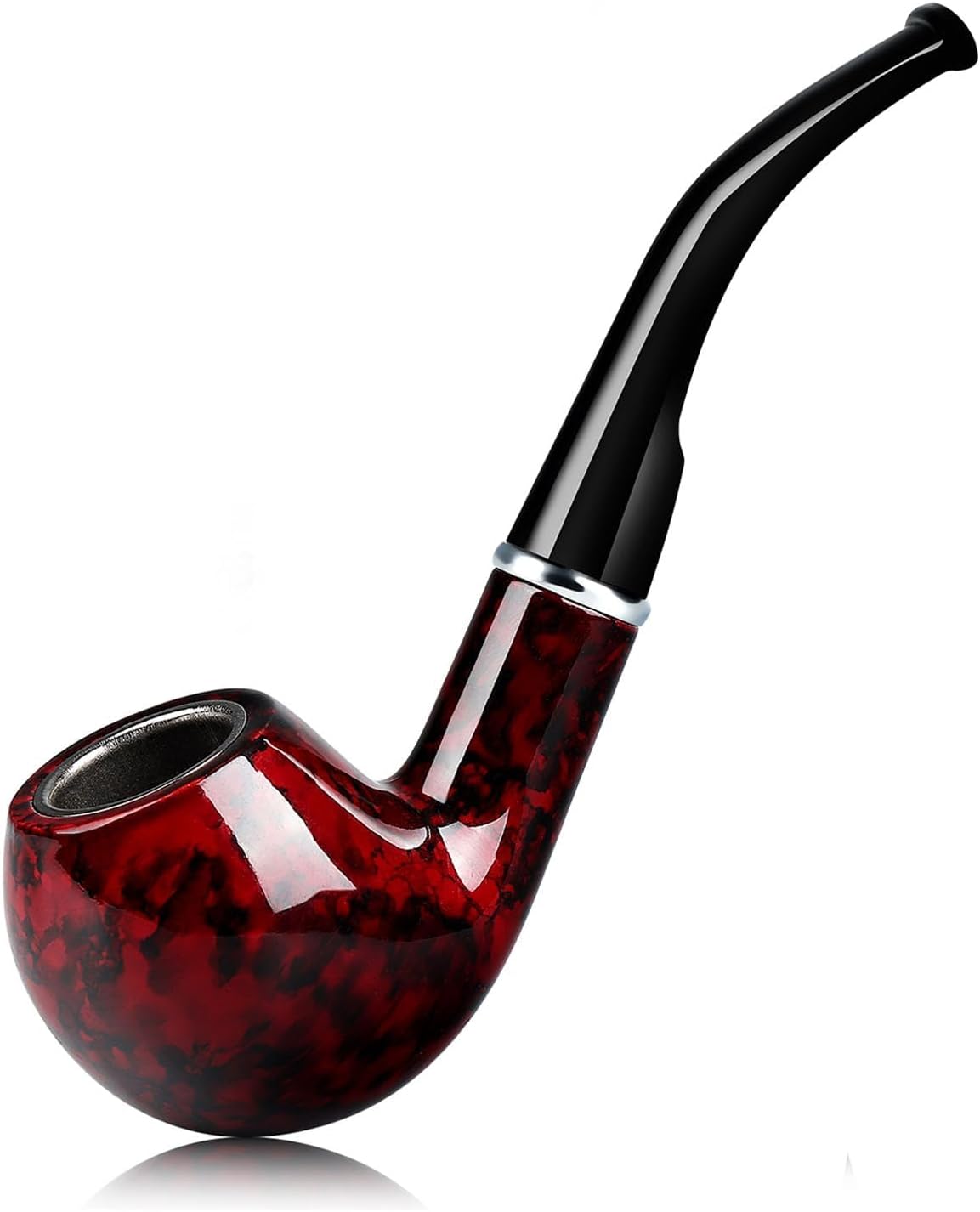
Next, the world of pipe smoking is surprisingly diverse. Traditional briar pipes are the most popular because they are durable and heat-resistant. Meerschaum pipes, carved from a light mineral, offer cooler smoke and intricate artistry. Corncob pipes provide an affordable and beginner-friendly option, while clay pipes deliver an old-world charm. Each type gives smokers a distinct experience in flavor, weight, and feel.
Choosing the Right Tobacco Blends
Furthermore, selecting tobacco is just as important as choosing the pipe. There are several major categories of pipe tobacco, including Virginia, Burley, Latakia, and aromatic blends. Virginias are naturally sweet, Burleys have a nutty depth, and Latakia blends provide smoky, campfire-like richness. Aromatics, enhanced with flavors such as vanilla or cherry, appeal to beginners for their pleasant room note. Every blend offers a different journey for the senses.
The Ritual of Packing and Lighting a Pipe
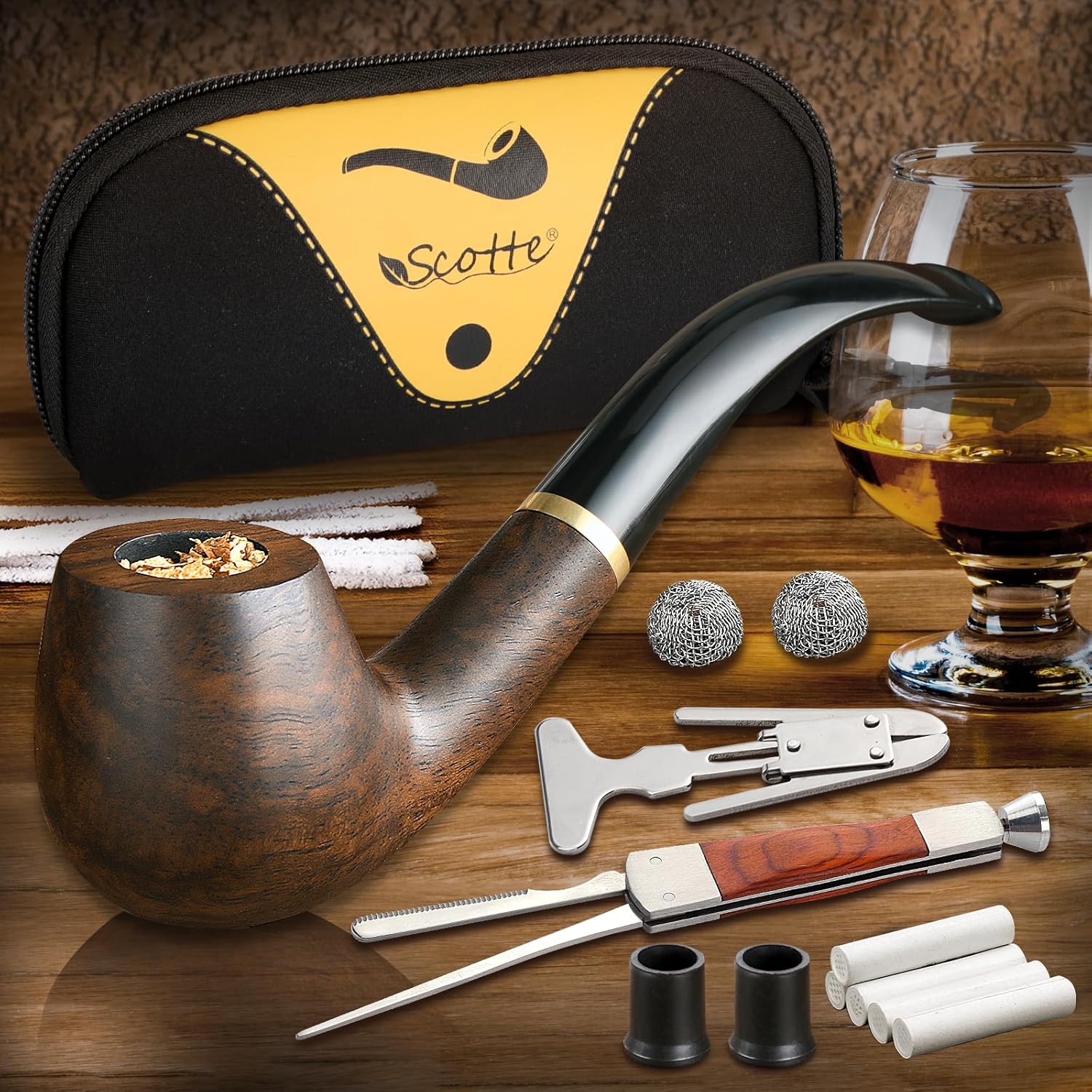
Moreover, the ritual of preparing a pipe is central to the experience. Packing involves gently layering tobacco into the bowl so that it burns evenly. Lighting requires patience, typically using a wooden match or soft flame lighter while drawing slowly to avoid overheating. This deliberate process encourages mindfulness and creates a sense of ceremony that many smokers cherish.
Developing the Skill of Slow, Cool Smoking
In addition, mastering the art of slow smoking is essential. A pipe that is smoked too quickly can become hot and bitter, which diminishes the flavor. Slow puffing, on the other hand, keeps the bowl cool and enhances the tobacco’s natural sweetness and complexity. Many smokers compare this to learning a musical instrument — it takes practice, but the reward is deeply satisfying.
Pipe Maintenance and Long-Term Care

After the smoking session, proper maintenance ensures the pipe lasts for years. Cleaning the stem, removing moisture, and allowing adequate rest between smokes prevent buildup and preserve flavor. Regular care not only protects the pipe but also elevates the overall smoking experience by keeping each bowl fresh and enjoyable.
The Culture and Community of Pipe Enthusiasts
Beyond the smoking itself, the pipe community is welcoming and passionate. Collectors admire handcrafted pipes as functional art, while smokers gather in lounges, clubs, or online forums to share recommendations. Additionally, pipe shows highlight artisans from around the world, celebrating the craftsmanship behind each unique piece.
Modern Perspectives and Responsible Enjoyment
Finally, while pipe smoking has cultural and artistic appeal, it is important to acknowledge the health risks associated with any tobacco use. Smokers today often approach the hobby with moderation and responsibility. Many enjoy it not as a daily habit but as an occasional ritual, valuing calmness, craftsmanship, and tradition over mere nicotine intake.
Additional Sections to Enrich the Pipe Smoking Article
The Art of Pipe Craftsmanship
To truly appreciate pipe smoking, it helps to understand how pipes are made. Crafting a high-quality pipe requires both skill and artistry. Briar blocks must be carefully selected, drilled with precision, and carved to encourage optimal airflow. Afterward, the stem is fitted, shaped, and polished until the piece becomes both functional and visually appealing. Because of this meticulous craftsmanship, many pipe enthusiasts view their pipes as collectible works of art.
Shapes and Styles: From Classic to Creative
Furthermore, pipe shapes vary widely, each offering a distinct aesthetic and smoking feel. Classic shapes include the Billiard, Dublin, and Bulldog, which offer balance and comfort. Meanwhile, freehand designs allow artisans to carve flowing, organic shapes inspired by the grain of the briar. These creative styles not only enhance visual appeal but also express the maker’s artistic vision. Consequently, many collectors enjoy exploring a range of shapes to match different moods and smoking preferences.
Understanding the Aging Process of Tobacco
Another fascinating aspect of pipe smoking is how tobacco improves with time. Similar to fine wine or aged tea, certain blends develop deeper, richer flavors when stored properly. This process, known as “cellaring,” allows sugars in the tobacco to mature and mellow. Over months or years, the result can be a smoother, more complex smoking experience. As a result, some enthusiasts build dedicated cellars filled with tins and jars meant to be enjoyed far into the future.
Accessories That Enhance the Experience
In addition, pipe smokers often rely on accessories that make the hobby more enjoyable. A reliable pipe tamper helps control the burn, while a soft flame lighter or wooden matches ensure gentle ignition. Pipe cleaners are essential for maintaining airflow, and a tobacco pouch keeps blends fresh and portable. Moreover, many smokers use stands or racks to store their pipes, allowing them to rest and dry between uses.
The Emotional and Meditative Appeal of Pipe Smoking
Beyond flavors and craftsmanship, pipe smoking is often deeply personal. Many smokers describe it as a meditative ritual that encourages relaxation and introspection. The slow pace, rhythmic puffing, and tactile feel of the pipe help create a peaceful moment in an otherwise busy world. Therefore, the enjoyment goes beyond nicotine — it becomes a calming experience that connects the smoker with tradition and stillness.
Pipe Smoking Around the World
Pipe culture varies by region, which adds even more richness to the hobby. In Europe, for example, pipe smoking has deep roots in countries like England, Denmark, and the Netherlands, where artisan workshops continue to produce world-class pipes. Meanwhile, in the United States, pipe shows and blending houses contribute to a vibrant, innovative scene. Elsewhere, indigenous cultures in Africa and the Americas maintain ancient pipe traditions that reflect spiritual and communal values. This global diversity demonstrates how pipes transcend cultures and time periods.
Famous Pipe Smokers Throughout History
Throughout literature, politics, and the arts, many iconic figures have been associated with pipe smoking. Sherlock Holmes, with his iconic curved pipe, embodies intellectual curiosity. Writers like J.R.R. Tolkien and C.S. Lewis enjoyed pipes while crafting their worlds of fantasy. Even Albert Einstein famously used a pipe, once remarking that it contributed to a calm and objective mindset. These examples illustrate how pipe smoking has long been linked to contemplation and creativity.
Common Mistakes Beginners Should Avoid
For newcomers, understanding what not to do can make the experience far more enjoyable. Overpacking the bowl can restrict airflow, while underpacking leads to uneven burns. Puffing too hard overheats the pipe and diminishes flavor. Additionally, skipping regular cleaning can cause sour tastes to develop. By learning and avoiding these common errors, beginners can transition smoothly into more fulfilling sessions.
Tips for Selecting Your First Pipe
Choosing a first pipe is an important milestone. Beginners often benefit from affordable, reliable options like corncob pipes, which provide good performance without requiring significant investment. At the same time, a simple briar pipe with a comfortable shape can also serve well. Moreover, it’s wise to start with a medium-sized bowl and a straightforward shape, which makes packing and smoking easier. Ultimately, comfort and ease of use should guide the choice.
The Future of Pipe Smoking in a Modern World
Finally, the future of pipe smoking continues to evolve in interesting ways. While fewer people smoke today, those who do often approach it as a hobby rather than a habit. This shift toward art, community, and slow enjoyment may help the tradition endure for generations. In addition, online communities and artisan workshops ensure that knowledge, craftsmanship, and appreciation remain alive and accessible worldwide.
Conclusion: Why Pipe Smoking Still Fascinates
In conclusion, pipe smoking remains fascinating because it blends history, artistry, and ritual into a single experience. For many, it represents a slower rhythm of life — one that encourages reflection, craftsmanship, and community. Whether admired for its flavors, pipes, or culture, the world of pipe smoking continues to captivate enthusiasts across generations.